
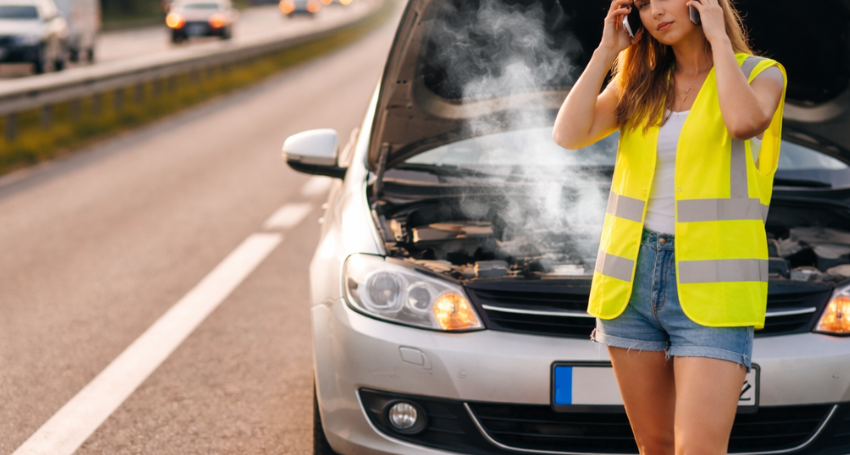
No driver expects their vehicle to stall in the middle of fast-moving traffic. Yet breakdowns happen every day due to mechanical issues, flat tires, overheating, or battery failure. Knowing what to Do If Your Car Breaks Down on the Highway helps you stay calm, protect yourself, and resolve the situation quickly.
Instead of panicking, follow these practical steps to stay safe and regain control in this blog
Stay Calm and Act Immediately
The first few seconds matter most. As soon as you notice unusual sounds, dashboard warning lights, loss of power, or smoke, respond quickly—but carefully.
Turn On Hazard Lights
Immediately activate your hazard lights. This simple action alerts other drivers that your vehicle is experiencing trouble. As a result, they can slow down or change lanes early, reducing the risk of a collision.
Move to a Safe Location
Next, gradually steer toward the right shoulder. Avoid sudden braking or swerving. If possible, aim for:
- A wide shoulder
- An exit ramp
- A rest area
- An emergency pull-off zone
If your vehicle loses power completely, use your remaining momentum to coast safely off the roadway.
Understanding What to Do If Your Car Breaks Down on the Highway starts with getting out of active traffic lanes as quickly and safely as possible.
Position Your Vehicle for Visibility
Once you stop, make your vehicle as visible as possible.
- Keep hazard lights on.
- Turn your wheels away from traffic.
- Set the parking brake.
- Use reflective warning triangles if available.
Visibility plays a critical role, especially at night, during rain, or in low-light conditions. The more visible your vehicle is, the safer you remain while waiting for assistance.
Should You Stay Inside the Vehicle?
Many drivers feel unsure about whether to exit their vehicle.
In Most Situations, Stay Inside
If you are on a busy highway, staying inside with your seatbelt fastened is usually safest. Fast-moving vehicles pose a serious threat, and standing near traffic increases your risk of injury.
However, leave the vehicle immediately if:
- You see flames or heavy smoke
- You smell gasoline
- Your vehicle sits in a dangerous spot, like a blind curve.
Exit from the passenger side whenever possible and move far away from traffic.
Call for Reliable Roadside Assistance
After securing your safety, call professional roadside assistance. Provide clear details such as:
- Your location (mile marker, nearby exit, or GPS coordinates)
- Vehicle make and model.
- Nature of the problem
Quick and reliable support reduces stress and prevents further damage to your vehicle.
At Team Smith Logistics, safety, reliability, and efficiency remain core values. While the company specializes in dependable logistics and transport services, the same commitment to operational excellence applies when responding to roadside emergencies. Having experienced professionals handle your situation ensures faster resolution and peace of mind.
Common Causes of Highway Breakdowns
Learning what typically causes breakdowns can help you prevent future incidents.
Overheating Engine
Low coolant levels or radiator issues often trigger overheating. If your temperature gauge rises suddenly, pull over immediately.
Tire Blowouts
Underinflated or worn tires increase the likelihood of blowouts, especially at high speeds.
Dead Battery
Extreme temperatures and aging batteries frequently cause sudden vehicle failure.
Mechanical Problems
Transmission issues, fuel system failures, or alternator malfunctions can lead to unexpected stalls.
Routine inspections significantly lower the chances of experiencing a breakdown.
What to Do While Waiting for Help
After calling for assistance, focus on safety and communication.
- Keep your hazard lights on.
- Lock your doors.
- Turn on interior lights at night.
- Keep your phone charged.
If you feel unsafe at any point, contact emergency services. Your safety always takes priority.
Additionally, remain cautious about accepting help from strangers. Professional roadside teams arrive with proper identification and equipment, which adds an extra layer of security.
Prevent Breakdowns Before They Happen
Preparation reduces stress and risk. Keep an emergency kit in your vehicle that includes:
- Flashlight
- First aid kit
- Jumper cables
- Reflective triangles
- Portable phone charger
Regular maintenance also plays a vital role. Schedule oil changes, inspect tires, monitor fluid levels, and replace aging batteries before they fail.
Transportation professionals understand that preventative maintenance saves time, money, and frustration. Companies like Team Smith Logistics prioritize reliability and operational readiness because vehicle performance directly impacts safety and efficiency.
Final Thoughts
Knowing what to Do If Your Car Breaks Down on the Highway transforms a frightening experience into a manageable one. Stay calm, move to safety, increase visibility, and contact professional assistance promptly.
Highway breakdowns can feel overwhelming, but preparation and quick action make all the difference.
If you value dependable service, safety-focused operations, and a team committed to keeping vehicles moving efficiently, contact us today. Whether you need trusted logistics support or professional transportation solutions, our experienced team stands ready to help you move forward with confidence.